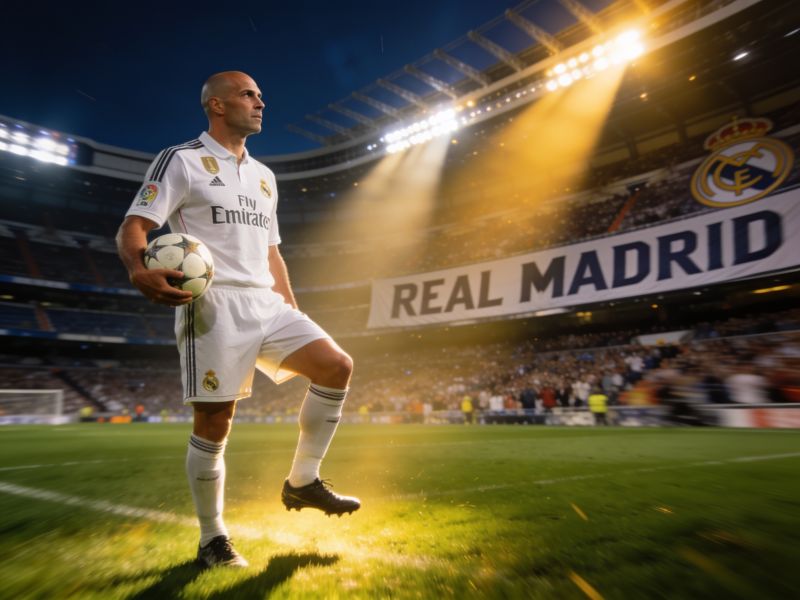
he Champions League semi-finals rarely hinge on star power alone. Last season’s second leg between Real Madrid and Bayern Munich offered a case in point: Madrid’s midfield, pushed higher after half-time, forced two turnovers in Bayern’s build-up, and the tie swung in six minutes. That is the semi-final reality—narratives flip on a single adjustment, a misjudged offside trap。or a full-back’s hesitation.
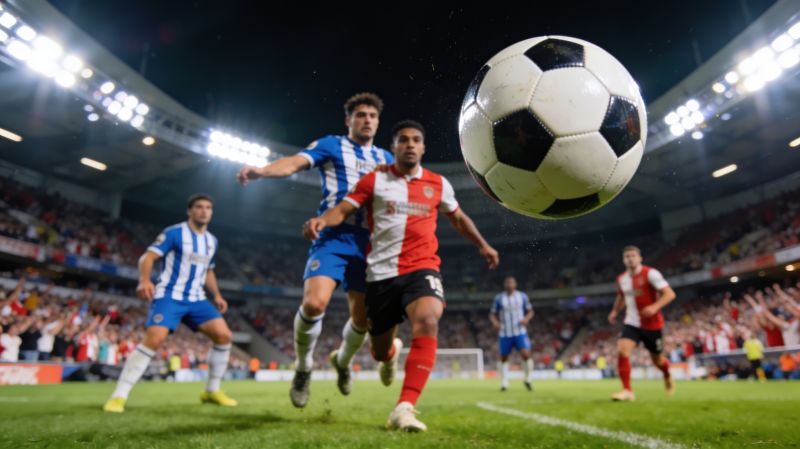
Look at the tactical trends in recent Champions League semi-finals. Coaches are increasingly treating the first leg as a containment exercise. In three of the last five semi-final first legs, the away side averaged less than 42% possession but conceded fewer than 1.2 expected goals. That isn’t cowardice;it’s a calculated wager that home advantage can be neutralised by compactness and set-piece discipline. I watched Manchester City’s 2023 semi-final against Real Madrid at the Etihad and walked away convinced that the 4-0 scoreline flattered them—Madrid’s mid-block worked for 60 minutes, then legs and concentration failed. The semi-finals punish that kind of mental fatigue more than any other round.Individual duels still matter, but increasingly they happen in zones rather than 1-v-1 isolation. The modern Champions League semi-final is won by the team that controls the half-spaces. Wingers drift inside to overload central midfielders;full-backs push up to pin the opposition’s wide threat. When Liverpool faced Villarreal in 2022。the tie was decided by Liverpool’s ability to switch play from right to left in two passes, isolating Villarreal’s right-back. That’s not a fluke. It’s a pattern repeated across semi-final legs: the team that generates more high turnovers in the opposition half usually advances. In last season’s semi-finals, the two finalists ranked first and second for high turnovers per 90 minutes.Goalkeeping and game management deserve more attention than they get. Semi-final ties are frequently decided by a goalkeeper’s distribution under pressure or a defender’s decision to step up or drop off. Consider Inter Milan’s 2023 semi-final against AC Milan: Inter’s goalkeeper, André Onana, completed more progressive passes than any Milan midfielder across both legs. That detail won’t make highlight reels。
but it explains why Inter controlled the tempo. And then there’s the dark art of time management—substitutions in the 75th minute that break momentum, throw-ins delayed by ten seconds, free-kicks taken from the wrong spot. Small, irritating, effective. Purists hate it;semi-final winners swear by it.
The margins are shrinking. Across the last three Champions League semi-finals, the average goal difference per tie was 0.67—down from 1.4 a decade ago. That gap leaves little room for error. A single misplaced pass in midfield。a poorly timed tackle near the box, or a striker’s hesitation on a half-chance can end a campaign. What stands out most is not the quality of football but the psychological weight of the occasion. Teams that embrace the semi-final’s inherent chaos—the deflected shots, the contentious VAR calls, the crowd turning anxious—tend to survive. Those waiting for a clean, controlled contest usually don’t. The Champions League semi-finals are not a stage for perfection;they are a test of who can be least imperfect when the tie is on a knife-edge.