
nter Miami Football Club turned a turbulent Major League Soccer campaign into the most productive regular season in its history, collecting the Supporters’ Shield with a record points total before an abrupt playoff exit exposed the gap between star power and squad depth. The club’s rise has been driven by Lionel Messi, but the 2024 campaign showed that Miami is no longer simply a spectacle built around one famous player. It is becoming a serious sporting operation, even if its biggest weakness remains impossible to ignore when the pressure rises.Messi’s influence was immediate and measurable. His goals, assists and ability to control the rhythm of a match changed the way opponents defended Inter Miami Football Club. Rather than pressing high without hesitation, many teams dropped deeper, hoping to deny him space between the midfield and back line. That created room for Luis Suárez, Jordi Alba and Sergio Busquets, the former Barcelona players who brought familiarity to Miami’s attacking patterns. Suárez, in particular, added a sharper edge in the penalty area. His movement was less glamorous than Messi’s passing。but it often decided matches before the crowd had fully settled into its seats.The atmosphere around Inter Miami Football Club has also developed into a major commercial force. Home games at Chase Stadium draw attention well beyond South Florida, with visiting supporters treating the fixture as a chance to see Messi in person. Tickets can become prohibitively expensive。while merchandise sales and international broadcasts have pushed the team into a new level of visibility. For MLS, that attention matters. Miami has become a gateway for casual viewers who may have previously ignored the league, and the club’s pink shirts now appear in stadiums and streets far outside Florida.Yet the club’s playoff defeat raised uncomfortable questions. A team with Messi, Suárez。Busquets and Alba should have enough technical quality to control knockout matches, but postseason football punishes defensive lapses and thin rotations. Injuries disrupted Miami’s rhythm, while opponents found ways to attack the spaces behind the full-backs. In several decisive moments, Inter Miami Football Club looked dependent on individual brilliance rather than a reliable defensive structure. That is not an accusation aimed at the senior stars;it is a roster problem. Messi can create a goal from almost nothing, but he cannot cover every transition or repair every mistake in midfield.
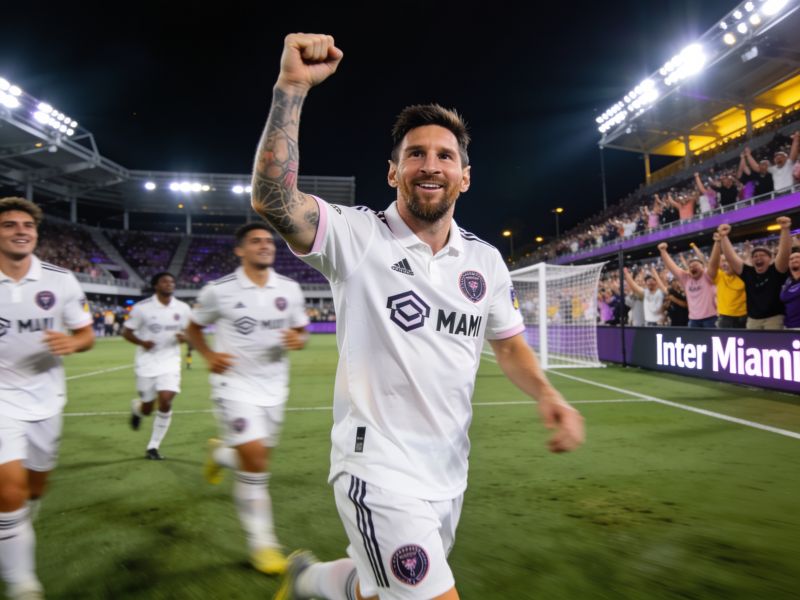
The next phase will test whether Inter Miami Football Club can convert popularity into lasting competitiveness. Recruitment must focus on athletic defenders, a dependable goalkeeper and younger players capable of maintaining intensity when the veterans need rest. The club also faces the challenge of managing expectations. Every draw now feels like a crisis, and every loss is judged against the presence of the greatest player of his generation. That pressure can energize a locker room。but it can also distort decision-making. Inter Miami Football Club has already changed the business conversation around MLS. Its sporting reputation will depend on what happens after the headlines fade, when disciplined defending, squad balance and consistency matter more than celebrity.